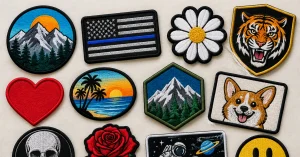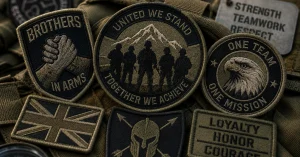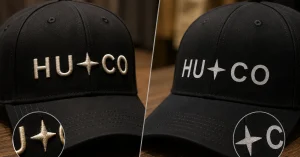
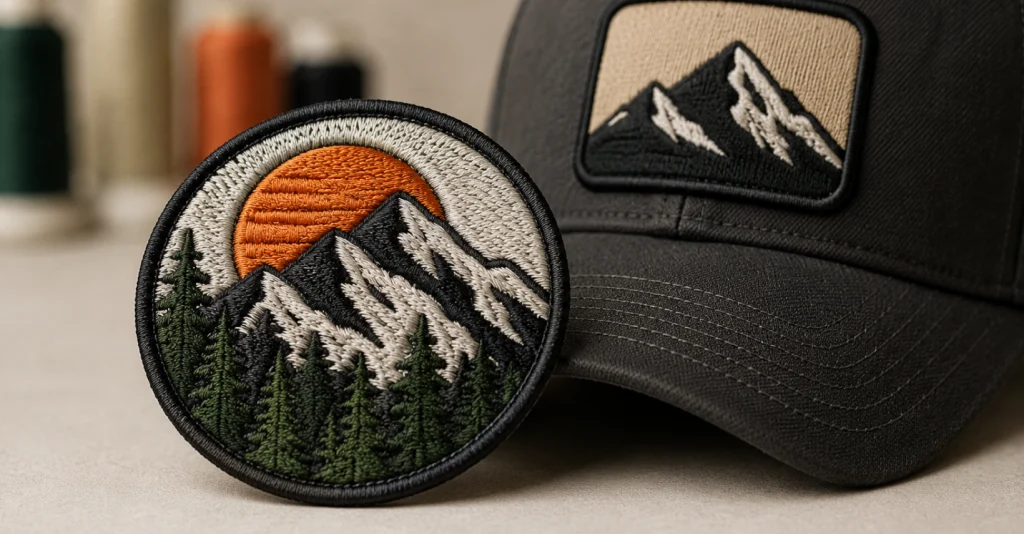
When it comes to creating a professional-looking patch, appearance is only one part of the equation. A great patch must also communicate its message clearly. Whether you are designing a patch for a clothing brand, sports team, business, military unit, motorcycle club, event, or personal project, readability plays a major role in the final result.
A beautifully designed patch can lose its impact if the text becomes difficult to read, the logo details disappear, or the colours blend together after being converted into embroidery. Unlike digital graphics displayed on a screen, embroidered patches are created using physical threads, stitches, and fabrics. This means every design decision needs to consider the limitations and possibilities of embroidery.
At Custom Patch Makers UK, we understand that a successful patch design is not just about adding attractive artwork. It is about creating a design that remains sharp, durable, and instantly recognisable when produced in thread. From choosing the right fonts and colours to selecting the ideal patch style, every detail matters.
This complete guide explains the professional techniques used to create clear and high-quality embroidered patches that maintain their appearance in the real world.
Why Embroidery Clarity Matters in Custom Patch Design
Custom patches are one of the most effective ways to represent identity, promote brands, and create a sense of belonging. They are used on jackets, uniforms, hats, backpacks, workwear, and accessories across different industries.
However, designing for embroidery requires a different approach compared to designing for websites, posters, or digital advertisements.
A graphic designer may create artwork with tiny details, thin lines, complex shadows, and multiple colours because digital screens can display unlimited detail. Embroidery, on the other hand, works with physical thread that has thickness and texture.
A small mistake in the original design can create problems during production:
- Tiny text may become unreadable
- Fine lines may disappear
- Colours may merge together
- Detailed artwork may look messy
- Logos may lose their original shape
This is why embroidery clarity is one of the most important aspects of creating custom embroidered patches UK customers can proudly use.
A successful patch design should be:
- Easy to recognise from a distance
- Simple enough for embroidery production
- Balanced with proper spacing
- Strong enough to maintain its shape
- Suitable for the chosen patch material
The goal is not to copy a digital image perfectly. The goal is to transform your idea into a physical product that looks even better when stitched.
Understanding the Difference Between Digital Design and Embroidery
Many first-time customers make the mistake of designing patches the same way they design online graphics. Although both processes involve artwork, they have completely different requirements.
A digital image can include:
- Unlimited colours
- Extremely thin lines
- Smooth gradients
- Tiny text
- Complex effects
An embroidered patch has physical restrictions:
- Thread thickness
- Stitch density
- Fabric limitations
- Needle movement
- Production size
For example, a logo with a detailed illustration may look perfect on a computer screen but become unclear when reduced to a three-inch patch.
Professional patch designers focus on simplifying artwork without losing the original message. This process ensures that your final patch remains attractive, professional, and easy to recognise.
The Golden Rule of Embroidery Text: Keep It Clear and Bold
Text is one of the most challenging elements in embroidered patch production. Small lettering is often the first area where readability problems appear.
A common mistake is adding too much text into a limited patch space. While you may want to include a slogan, website address, or detailed message, embroidery requires enough room for each letter to form properly.
Recommended Text Guidelines for Embroidered Patches
To maintain clear lettering, follow these professional recommendations:
Keep Letter Height Above 6mm
For embroidered patches, small letters should generally be at least:
0.25 inches (6mm) in height
Anything smaller can become difficult to reproduce because individual stitches may overlap and close the spaces inside letters.
Choose Simple Fonts
The best fonts for embroidered patches are usually:
- Arial
- Helvetica
- Montserrat
- Bold sans-serif fonts
These fonts have clean shapes and remain readable after stitching.
Avoid:
- Decorative script fonts
- Thin serif fonts
- Extremely narrow lettering
- Complex handwritten styles
Although fancy fonts may look attractive digitally, they often lose clarity during embroidery.
Maintain Proper Letter Spacing
Spacing between letters is extremely important.
When letters are too close together:
- Threads merge
- Words become difficult to recognise
- The design looks crowded
Allow enough breathing space between characters so every letter remains visible.
Use Simple Colours and Strong Contrast
Colour selection can completely change the appearance of a patch. A design that looks excellent digitally may fail during embroidery if the colours do not provide enough contrast.
Unlike digital printing, embroidery uses physical threads with a limited colour range. The right colour combination ensures your design remains visible and professional.
Prioritise Contrast
High contrast creates better visibility.
Examples of effective combinations:
- White text on black background
- Yellow details on dark blue fabric
- Black lettering on white patches
- Bright colours against darker materials
Avoid combinations where colours are too similar.
For example:
- Dark blue text on black fabric
- Grey thread on silver background
- Light yellow on cream fabric
These combinations may cause important details to disappear.
Limit Your Colour Palette
Using too many colours does not always create a better patch.
A professional embroidered patch usually works best with:
- 2–6 strong colours
- Clear separation between shades
- Simple colour blocks
A limited colour palette creates:
- Better readability
- Lower production complexity
- Cleaner appearance
- More professional branding
At Custom Patch Makers UK, we help customers choose thread colours that maintain the original vision while ensuring excellent embroidery results.
Focus on Strong Structural Design
A patch is not simply an image placed onto fabric. It is a physical product that needs structure and durability.
The best patch designs are created with embroidery limitations in mind.
Give Important Elements Enough Space
Your logo, symbol, or text should not compete for attention.
A good design should have:
- Clear main focus
- Balanced spacing
- Strong visual hierarchy
Avoid filling every empty space with extra details. Empty space helps important elements stand out.
Use Thick Outlines
Outlines provide several benefits:
- Improve visibility
- Strengthen the design
- Separate colours
- Prevent thread blending
Thin borders may disappear during production, while stronger outlines help maintain the original shape.
Avoid Tiny Details
Small details often create problems in embroidered patches.
Avoid:
- Tiny icons
- Miniature symbols
- Small facial features
- Complex textures
- Excessive shading
Instead, focus on bold shapes and recognisable elements.
A simple logo often creates a stronger impression than an overly detailed design.
Choosing the Right Patch Type for Your Design
Different patch styles provide different levels of detail. Selecting the right material can significantly improve the final appearance.
| Patch Type | Best Use | Detail Level |
|---|---|---|
| Embroidered Patches | Traditional logos, uniforms, bold designs | Excellent for strong designs |
| Woven Patches | Small text and detailed artwork | Higher detail capability |
| PVC Patches | Outdoor use and modern designs | Extremely sharp |
| Printed Patches | Photographic designs and complex images | Maximum detail |
Embroidered Patches
Embroidered patches provide a classic and premium appearance. They are ideal for:
- Brand logos
- Sports teams
- Work uniforms
- Fashion applications
They create a textured appearance that gives designs depth and character.
However, extremely small details may require adjustments.
Woven Patches
Woven patches use thinner threads, allowing more detailed designs.
They are better for:
- Small lettering
- Fine lines
- Detailed illustrations
- Intricate logos
If your artwork contains many small elements, woven patches may provide better clarity.
PVC Patches
PVC patches are made from durable rubber-like material.
They are popular for:
- Outdoor brands
- Tactical designs
- Waterproof applications
Benefits include:
- Sharp edges
- 3D effects
- Long-lasting durability
- Easy cleaning
The Importance of Professional Digitising
Digitising is one of the most important steps in embroidery production.
A digitiser converts your artwork into a stitch file that embroidery machines understand. This process determines:
- Stitch direction
- Thread placement
- Density
- Layer order
- Overall quality
A poor digitising process can damage even the best design.
A skilled digitiser understands how to transform artwork into embroidery while maintaining clarity.
Understanding Stitch Types
Different stitch styles create different effects.
Satin Stitches
Satin stitches are commonly used for:
- Text
- Borders
- Small design elements
They create a smooth and shiny appearance.
Fill Stitches
Fill stitches cover larger areas.
They are used for:
- Background sections
- Large shapes
- Colour blocks
They provide texture and coverage while maintaining durability.
Selecting the Right Border Style
The border is an important part of every custom patch. It protects the edges and creates a finished appearance.
There are two main border options:
Merrowed Borders
Merrow borders are thick, raised edges created using an overlock stitching technique.
They are ideal for:
- Round patches
- Square patches
- Simple shapes
Benefits include:
- Classic appearance
- Strong edge protection
- Professional finish
Heat-Cut Borders
Heat-cut borders provide more flexibility.
They are suitable for:
- Custom shapes
- Detailed outlines
- Modern designs
Benefits include:
- Cleaner edges
- More design freedom
- Better for complex artwork
Always Review Your Patch Before Production
Before manufacturing your custom patches, always review the final design carefully.
A professional manufacturer should provide a digital mockup before production begins.
Check:
- Text readability
- Thread colours
- Border style
- Design placement
- Stitch appearance
- Overall balance
A useful test is to view your design at actual size.
Try this:
- Open your patch design on your computer.
- Resize it to the final patch dimensions.
- Move several feet away.
- Check if you can still understand the design.
If you cannot read the text or recognise the logo, simplify the design.
Common Patch Design Mistakes That Reduce Readability
Creating a successful embroidered patch is about finding the right balance between creativity and practicality. Many designs fail not because the idea is weak, but because the artwork does not consider the limitations of embroidery production.
At Custom Patch Makers UK, we often see that simple adjustments can transform an average design into a professional-quality patch. Below are some of the most common mistakes to avoid when preparing artwork for your custom patches.
Adding Too Many Details
One of the biggest mistakes in patch design is trying to include too much information in a small space.
A patch has limited room, and every extra detail competes for attention. When too many elements are included, the final result can appear crowded and confusing.
Common examples include:
- Too many words
- Multiple small icons
- Complex illustrations
- Excessive patterns
- Detailed backgrounds
Instead of adding more elements, focus on the most important message.
Ask yourself:
- What should people notice first?
- What represents the brand or group?
- Which details are essential?
A strong patch design usually communicates its purpose within seconds.
For professional results, many designers recommend keeping text short and using only the most important visual elements.
Using Thin Lines and Weak Shapes
Thin lines may look sharp on a computer screen, but embroidery requires enough space for thread placement.
Very thin elements can:
- Break during stitching
- Lose their shape
- Become uneven
- Disappear against the background
For better results:
- Use thicker outlines
- Increase line weight
- Replace thin details with stronger shapes
A bold design will usually produce a cleaner and more durable embroidered patch.
Creating Busy Backgrounds
Background elements should support your design, not overpower it.
Complex backgrounds can make important information difficult to see.
Avoid:
- Multiple patterns
- Heavy textures
- Too many decorative elements
- Similar colour combinations
Instead, use:
- Solid backgrounds
- Simple colour blocks
- Clear separation between elements
A clean background allows your logo and text to become the main focus.
Ignoring Patch Size During Design
The size of your patch affects how much detail you can include.
A design created for a large jacket patch may not work when reduced for a small hat patch.
For example:
A 5-inch back patch can include more detail than a 2.5-inch cap patch.
Before finalising your artwork, always consider:
- Where the patch will be placed
- The final dimensions
- How far away people will view it
- The amount of information required
At Custom Patch Makers UK, we help customers adjust designs according to their preferred patch size and application.
Custom Patch Design Checklist Before Production
Before sending your artwork for manufacturing, review the following checklist:
Text Check
- Is all text large enough to read?
- Are fonts simple and embroidery-friendly?
- Is there enough spacing between letters?
Colour Check
- Do the thread colours have strong contrast?
- Are there unnecessary colour variations?
- Will the design remain visible from a distance?
Detail Check
- Have unnecessary elements been removed?
- Are important features bold enough?
- Does the logo remain recognisable?
Production Check
- Is the patch type suitable for the artwork?
- Has the design been digitised professionally?
- Are border options appropriate?
Following this checklist helps prevent production issues and ensures your final patch looks exactly how you imagined.
How Professional Patch Makers Improve Design Quality
Working with an experienced patch manufacturer can make a significant difference in the final outcome.
A professional team understands:
- Thread limitations
- Stitch techniques
- Fabric compatibility
- Colour matching
- Production requirements
At Custom Patch Makers UK, we do not simply convert artwork into patches. We help customers create designs that are practical, attractive, and production-ready.
Our experts can guide you through:
- Choosing embroidery styles
- Selecting patch backing options
- Improving artwork clarity
- Selecting suitable materials
- Creating durable custom patches
Whether you need patches for a clothing brand, business, club, event, or personal project, professional guidance ensures better results.
Why Simplicity Creates More Powerful Patch Designs
One of the most important principles in patch design is understanding that simplicity creates impact.
Some of the most memorable patches in the world use:
- Simple shapes
- Strong colours
- Minimal text
- Recognisable symbols
A simple design is easier to:
- Recognise
- Remember
- Manufacture
- Apply across different products
The goal is not to include everything. The goal is to communicate something meaningful through a limited space.
Designing Custom Patches for Different Applications
Different industries have different requirements when it comes to patch design.
Fashion Brands
Fashion patches need to look stylish while representing the identity of the brand.
Important considerations include:
- Unique shapes
- Premium thread quality
- Strong visual appeal
- Trend-focused designs
Workwear and Uniform Patches
Professional uniforms require maximum readability.
Important features include:
- Clear company names
- Easy-to-read logos
- Durable materials
- Strong stitching
Sports Team Patches
Sports patches should create recognition and team identity.
Effective designs often include:
- Team colours
- Bold symbols
- Simple lettering
- Strong outlines
Motorcycle and Club Patches
Club patches often include detailed information, so careful planning is essential.
Consider:
- Large readable lettering
- Strong borders
- Balanced layouts
- Durable materials
Embroidery vs Other Patch Options: Which Is Best?
Choosing the right patch style depends on your design goals.
Choose Embroidered Patches If You Want:
- A traditional appearance
- Raised thread texture
- Premium handmade feel
- Durable everyday use
Choose Woven Patches If You Need:
- Smaller text
- More detailed designs
- Smoother finishes
Choose PVC Patches If You Need:
- Waterproof performance
- Outdoor durability
- Modern 3D appearance
Choose Printed Patches If You Need:
- Realistic images
- Photographic details
- Complex colour effects
The right choice depends on your artwork, budget, and intended use.
Frequently Asked Questions About Embroidered Patch Design
Why is readability important in patch design?
Readability ensures that your logo, message, or artwork remains clear after embroidery production. A readable patch creates stronger brand recognition and allows people to understand the design instantly.
A patch may look attractive digitally, but if the text and details disappear after stitching, it loses its purpose. Clear design planning ensures your patch maintains its professional appearance.
What is the minimum text size for embroidered patches?
For most embroidered patches, text should generally be around 0.25 inches (6mm) or larger. Smaller lettering may become difficult to reproduce because thread thickness can affect the shape of individual letters.
Using bold fonts and proper spacing also improves readability.
Can embroidered patches include gradients and shadows?
Traditional embroidery has limitations when creating gradients and realistic shadows. Thread works best with solid colours and simplified shading.
If your design contains complex colour transitions, consider alternatives such as:
- Woven patches
- Printed patches
- PVC patches
These options may reproduce detailed artwork more effectively.
How many colours should I use in an embroidered patch?
There is no strict limit, but most professional embroidered patches work best with a focused colour palette.
Using fewer colours often creates:
- Better contrast
- Cleaner appearance
- Easier recognition
- More affordable production
A well-planned two or three-colour design can often create more impact than a design using many shades.
Are embroidered patches durable?
Yes, embroidered patches are highly durable when manufactured correctly.
With proper care, they can maintain their appearance for many years.
To extend the life of your patch:
- Avoid harsh chemicals
- Use gentle washing methods
- Avoid excessive heat
- Follow proper application instructions
High-quality stitching and materials also play an important role in durability.
Can I create a custom patch from my own artwork?
Yes. Most professional patch manufacturers can transform your artwork into a finished patch.
For the best results, provide:
- High-quality logo files
- Vector artwork if available
- Correct colour references
- Preferred patch size
A professional team can then adjust the design to make it suitable for embroidery.x
Final Thoughts: Create Patches That Make an Impact
Designing a successful embroidered patch requires more than creating attractive artwork. The best patches combine creativity with practical embroidery knowledge.
Every decision matters, from font selection and colour contrast to stitch style and patch type. A design that looks perfect on a screen must also perform well when transformed into thread and fabric.
The key principles are simple:
- Keep designs clean
- Use bold elements
- Choose readable fonts
- Maintain strong contrast
- Avoid unnecessary details
- Select the right patch style
At Custom Patch Makers UK, we specialise in creating high-quality custom embroidered patches that are designed for clarity, durability, and professional results. Whether you need personalised patches for clothing, branding, uniforms, events, or personal projects, our team can help turn your ideas into premium-quality products.
A great patch tells a story, represents an identity, and creates a lasting impression. By respecting the limits of embroidery while focusing on strong design principles, you can create patches that remain clear, attractive, and memorable for years to come.