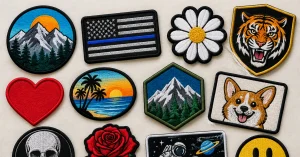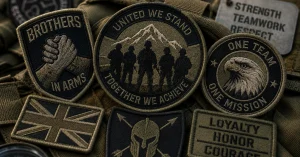
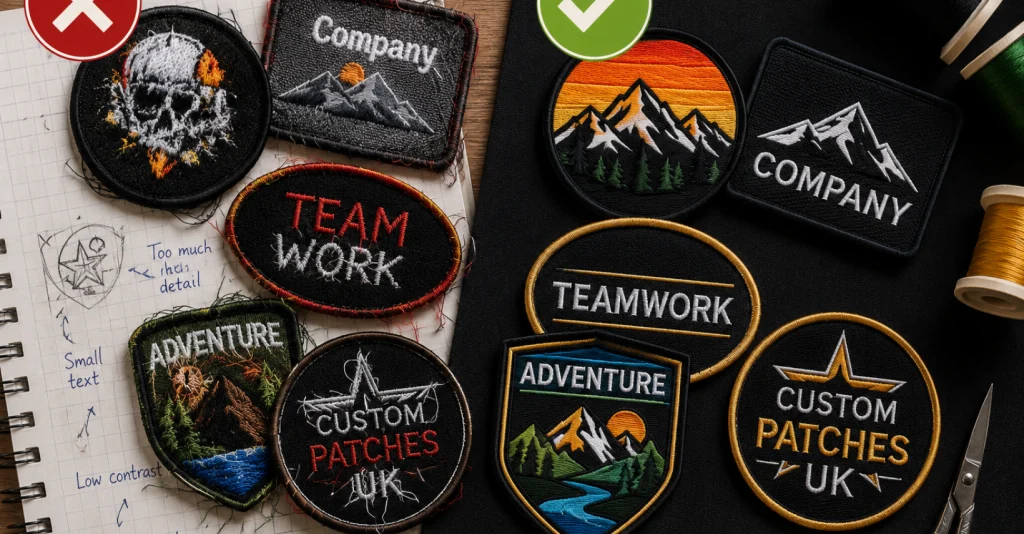
Personalised embroidered patches have become one of the most creative and effective ways to showcase individuality, represent communities, promote businesses, and add a unique touch to clothing and accessories. From fashion brands and sports teams to motorcycle clubs, military groups, schools, and businesses, embroidered patches continue to hold their importance because they combine creativity, identity, and durability in one small piece of artwork.
Over the years, custom patches have evolved from simple decorative additions into powerful branding and self-expression tools. A well-designed embroidered patch can instantly communicate a message, represent a passion, highlight membership, or make a clothing item stand out. Whether placed on a jacket, cap, hoodie, backpack, uniform, or workwear, these small embroidered designs can leave a lasting impression.
However, creating high-quality personalised embroidered patches is not as simple as choosing a design and sending it for production. The process involves careful planning, artwork preparation, colour selection, size decisions, material choices, and professional embroidery techniques. Even a small mistake during the design stage can affect the final appearance, readability, and overall quality of your patch.
Many people focus only on the creative side and overlook important technical details. As a result, they may receive patches that do not match their expectations. A design might look attractive on a computer screen but appear unclear when embroidered. Colours may not blend correctly, small details may disappear, or the patch may not fit properly on the chosen garment.
At Custom Patch Makers UK, we understand that every embroidered patch represents something meaningful. Whether you need patches for a business, clothing brand, event, club, organisation, or personal project, our goal is to help you create designs that look professional and deliver the desired impact.
To help you avoid disappointing results, we have highlighted the most common mistakes people make when creating personalised embroidered patches and explained how you can prevent them.
1. Choosing the Wrong Size and Shape of Your Embroidered Patch
One of the biggest mistakes people make when designing custom embroidered patches is ignoring the importance of size and shape. Many customers select dimensions based only on how the design looks digitally, without considering where the patch will be placed or how the artwork will translate into embroidery.
The size of your patch plays a major role in determining the level of detail, readability, and visual impact. A design that looks perfect on a large screen may become crowded and difficult to understand when reduced to a small embroidered badge.
For example, logos containing small text, thin lines, or complicated illustrations usually require a larger patch size. If the design is forced into a smaller area, the embroidery threads may merge together, causing the artwork to lose its clarity.
On the other hand, choosing an unnecessarily large patch for a simple design can make the final product look overwhelming. Minimal logos, symbols, initials, or simple icons often work beautifully in smaller sizes.
The shape of your patch is equally important. Different patch shapes create different visual effects:
- Circular patches offer a classic appearance and work well for logos and club designs.
- Rectangle patches provide more space for text-based designs.
- Shield-shaped patches are popular for organisations, sports teams, and uniforms.
- Custom-shaped patches create a unique appearance that follows the outline of your artwork.
Before finalising your design, consider where the patch will be attached. A patch created for a baseball cap will require different dimensions compared to one designed for the back of a jacket.
How To Choose The Perfect Patch Size
To select the right size for your personalised embroidered patch, consider these factors:
Identify The Placement Area
First, decide where you want to apply the patch. Common locations include:
- Jackets
- Hats and caps
- Jeans
- Hoodies
- Backpacks
- Uniforms
- Workwear
Measure the available space before confirming the patch dimensions. This ensures that the finished product looks balanced and professional.
Consider Your Artwork Complexity
Detailed designs need more space. If your artwork includes:
- Small lettering
- Multiple elements
- Detailed illustrations
- Fine patterns
then choosing a larger patch size will help maintain quality.
For simple designs with bold shapes and limited details, smaller patches can still provide excellent results.
Test Different Sizes Before Production
A useful technique is creating multiple mockups in different sizes before manufacturing. This allows you to compare how the design appears and select the most suitable option.
At Custom Patch Makers UK, our team helps customers evaluate their designs before production to ensure the final embroidered patch meets their expectations.
2. Ignoring The Purpose Behind Your Patch Design
Another common mistake is creating an attractive design without considering the actual purpose of the patch. While creativity is important, every personalised embroidered patch should have a clear objective.
A patch created for branding purposes should communicate a company identity. A patch designed for a motorcycle club should reflect the group’s personality. A patch created for a sports team should represent team spirit and recognition.
When the purpose is unclear, the final design can become confusing and fail to create the desired connection with the audience.
For example, a business logo patch should focus on brand recognition rather than adding too many decorative elements. Similarly, a charity organisation may want a design that communicates its mission clearly instead of using unnecessary graphics.
The best embroidered patches are not just visually appealing; they tell a story.
How To Design A Purpose-Driven Patch
Before creating your artwork, ask yourself:
What message should this patch communicate?
Understanding the answer will guide every design decision, including:
- Colour selection
- Typography
- Symbols
- Images
- Patch shape
- Embroidery style
Research Similar Designs
Looking at successful patch designs within your industry can provide inspiration. Researching similar examples helps you understand:
- Which layouts work effectively
- How colours are combined
- What design styles attract attention
- Which elements should be avoided
However, inspiration should not become imitation. Your patch should maintain originality and represent your own identity.
Avoid Adding Unnecessary Elements
One of the biggest design mistakes is trying to include too much information. A patch has limited space, and overcrowding reduces its effectiveness.
Instead of adding multiple graphics, slogans, and decorative elements, focus on the most important message.
A clean and meaningful design will always create a stronger impact than a complicated one.
3. Overlooking Small Details During The Design Process
Many people believe that the overall concept is the only important part of creating personalised embroidered patches. While having a strong idea is essential, paying attention to small details is what separates an average patch from a professional-quality embroidered badge.
Professional patch manufacturers carefully analyse every element before production, including typography, spacing, line thickness, colour contrast, stitching style, and overall balance. Ignoring these details can negatively impact the final appearance of your patch.
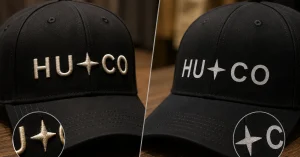
A design may look impressive on a computer screen but may not translate perfectly into embroidery. Unlike digital graphics, embroidery has physical limitations. Threads have thickness, and certain tiny details may not be visible once stitched onto fabric.
For example, extremely thin lines can disappear, small text may become unreadable, and complicated patterns may merge together. These issues can make your patch appear messy instead of professional.
At Custom Patch Makers UK, we carefully review artwork before production to ensure every important detail is suitable for embroidery. Our experienced team understands how digital designs transform into high-quality stitched patches.
Important Details To Check Before Production
Keep Text Clear And Readable
Typography is one of the most challenging elements in embroidered patches. Small fonts often become difficult to read because embroidery threads require enough space to maintain clarity.
When adding text to your patch:
- Use simple and bold fonts
- Avoid extremely thin lettering
- Maintain enough spacing between characters
- Ensure text size is suitable for embroidery
If your patch includes a company name, slogan, or organisation title, readability should always be a priority.
Remove Unnecessary Design Elements
A common mistake is attempting to include every possible idea in one patch. While adding more elements may seem creative, it often reduces the overall impact.
A successful patch design usually focuses on:
- One main message
- One central image
- Balanced colours
- Clear visual hierarchy
Removing unnecessary details allows the important elements to stand out.
Consider Embroidery Limitations
Not every digital design can be converted into embroidery perfectly. Some effects, such as complex gradients, shadows, and extremely detailed illustrations, may require adjustments.
Professional patch designers understand how to simplify artwork while maintaining the original concept.
This is why working with an experienced custom patch manufacturer can make a significant difference. Experts know how to modify designs so they remain attractive after embroidery.
4. Selecting The Wrong Colours For Your Patch
Colour selection is one of the most important stages of creating personalised embroidered patches. The right colours can make your design attractive, memorable, and professional. The wrong combination can make your patch difficult to understand or visually unappealing.
Many customers choose colours based only on personal preference without considering contrast, readability, and brand identity.
For example, using two similar shades together may cause the design elements to blend into each other. A light yellow design on a white background or dark blue text on a black base may become difficult to see.
Colours should work together while creating enough contrast between different elements.
Why Colour Choice Matters In Embroidered Patches
Colours influence how people perceive your patch. Different shades can create different impressions:
- Black and white combinations create a classic and professional appearance.
- Red tones can represent energy, passion, and confidence.
- Blue shades often communicate trust and reliability.
- Green colours are commonly associated with nature and growth.
- Gold and metallic tones can create a premium appearance.
Choosing colours that match your purpose helps your patch communicate the correct message.
Tips For Choosing The Perfect Colour Combination
Consider The Background Material
Always think about the fabric where your patch will be placed.
A design that looks good on a digital preview may appear different when attached to a real material. The background colour can affect visibility and contrast.
For example:
- Dark fabrics often work well with brighter embroidery colours.
- Light fabrics usually support darker thread colours.
- Patterned clothing may require a stronger border to separate the patch from the background.
Avoid Using Too Many Colours
Many beginners assume that adding more colours will make their patch look better. However, too many colours can create a confusing appearance.
Most professional embroidered patches use a limited colour palette to maintain a clean and attractive look.
A combination of two to five carefully selected colours is often enough to create an impressive design.
Match Colours With Your Brand Identity
For businesses, colours should align with existing branding. Consistent colours help customers recognise your company and strengthen brand awareness.
If your business already has a logo, website, or marketing materials, use similar colours in your embroidered patches.
This creates a professional and consistent brand image.
5. Using Low-Quality Artwork For Patch Production
One of the most damaging mistakes when creating personalised embroidered patches is providing poor-quality artwork.
Many people try to save money by submitting low-resolution images downloaded from the internet. Unfortunately, this often results in blurry designs, inaccurate details, and disappointing final products.
Embroidery machines require clear artwork instructions to reproduce a design accurately. If the original file is unclear, the final patch quality may suffer.
Why High-Quality Artwork Matters
High-resolution artwork allows manufacturers to identify:
- Exact shapes
- Correct colours
- Fine details
- Proper spacing
- Design proportions
The clearer your artwork, the better your embroidered patch will look.
Use Vector Artwork Whenever Possible
Professional patch makers usually recommend vector file formats because they maintain quality when resized.
Common vector formats include:
- AI
- EPS
- SVG
Unlike standard image files, vector graphics can be enlarged or reduced without losing sharpness.
For example, a logo created for a small badge can also be adjusted for a larger jacket patch without becoming pixelated.
Avoid Screenshots And Low-Resolution Images
Screenshots from websites or social media platforms are usually not suitable for professional embroidery production.
They often contain:
- Low resolution
- Compression issues
- Blurry edges
- Missing details
Instead, provide the original design file whenever possible.
If you do not have professional artwork, many custom patch manufacturers can help improve or recreate your design before production.
At Custom Patch Makers UK, our team works with customers to prepare artwork that is suitable for high-quality embroidery results.
6. Choosing The Wrong Patch Backing Option
Although many people focus mainly on artwork, another important decision is selecting the correct backing option for your embroidered patch.
The backing determines how easily your patch can be attached and how securely it stays in place.
Different applications require different backing choices.
Common Embroidered Patch Backing Options
Iron-On Backing
Iron-on patches are popular because they are simple to apply. They work well for casual clothing, jackets, jeans, and accessories.
They are ideal for customers who want a quick application without sewing.
Sew-On Backing
Sew-on patches provide excellent durability and are commonly used for uniforms, workwear, and outdoor clothing.
They are a great choice when long-term attachment is required.
Velcro Backing
Velcro patches are commonly used by organisations, tactical teams, and businesses that need removable badges.
They allow users to change patches whenever required.
Adhesive Backing
Adhesive patches provide temporary attachment and are suitable for promotional events or short-term use.
Choosing the correct backing ensures your patch performs well for its intended purpose.
7. Ignoring The Importance Of Patch Material And Embroidery Quality
Another mistake many customers make when creating personalised embroidered patches is focusing only on the artwork while ignoring the importance of materials and embroidery quality.
The design may be creative, but if low-quality materials are used, the final patch may not provide the professional appearance and durability you expect. A high-quality embroidered patch should maintain its colour, shape, and stitching even after regular use.
Different materials create different appearances and performance levels. Choosing the right combination of fabric, thread, and embroidery technique ensures your patch looks impressive and lasts longer.
At Custom Patch Makers UK, we understand that quality materials are essential for producing patches that represent your brand, organisation, or personal style effectively.
Choosing The Right Fabric Base
The fabric used as the foundation of your patch affects its overall strength and appearance.
Common patch materials include:
Twill Fabric
Twill is one of the most popular choices for embroidered patches because it provides a smooth surface and supports detailed stitching.
It works well for:
- Company logos
- Uniform patches
- Sports team badges
- Fashion patches
Cotton Fabric
Cotton creates a natural appearance and works well for casual and creative designs. It is often selected for handmade-style patches and lifestyle brands.
Polyester Fabric
Polyester is known for its durability and resistance to wear. It is commonly used for patches that need to withstand outdoor conditions and frequent washing.
Selecting Quality Threads
The embroidery thread quality also influences the final result. Premium threads provide:
- Better colour consistency
- Stronger stitching
- Cleaner details
- Longer-lasting appearance
Cheap thread can fade quickly or create uneven stitching, reducing the professional look of your patch.
Consider The Stitch Density
Stitch density refers to how closely embroidery stitches are placed together. The right density creates a smooth and polished finish.
Too few stitches may make the patch look incomplete, while excessive stitching can make the design heavy and affect flexibility.
Professional patch makers understand how to balance stitch density according to the design and fabric.
8. Failing To Consider The Patch Border Style
The border is one of the most important features of an embroidered patch, yet many people overlook it during the design stage.
A well-designed border improves the appearance of your patch, protects the edges, and creates a finished professional look.
There are mainly two popular border styles:
Merrow Border
A merrow border is a raised, rounded edge commonly used for traditional embroidered patches.
It provides:
- A classic appearance
- Strong edge protection
- A clean finished look
This style is commonly used for:
- Club patches
- Uniform badges
- Traditional logos
Hot Cut Border
A hot cut border is created by sealing the edges with heat. It allows more flexibility because it can follow custom shapes and detailed outlines.
This option works well for:
- Unique logo shapes
- Modern fashion patches
- Creative designs
Choosing the right border style depends on your artwork, placement, and desired appearance.
9. Not Ordering A Sample Before Full Production
One of the most avoidable mistakes customers make is producing a large batch without checking a sample first.
Even when a design looks perfect digitally, the final embroidered version may appear slightly different because embroidery adds texture, depth, and physical dimensions.
A sample allows you to review:
- Colour accuracy
- Stitch quality
- Size proportions
- Design clarity
- Overall appearance
For businesses ordering patches in bulk, this step is especially important. A small investment in a sample can prevent costly mistakes later.
Why Samples Are Valuable
A sample gives you the opportunity to make improvements before mass production.
You may discover that:
- Text needs to be larger
- Colours need adjustment
- Certain details need simplification
- The patch size needs changing
Professional patch manufacturers often recommend sample approval because it ensures the final order matches your expectations.
At Custom Patch Makers UK, we help customers review their designs carefully before production begins, ensuring better results and complete satisfaction.
10. Choosing Price Over Quality
Everyone wants to receive a good deal, but selecting the cheapest option available can sometimes lead to poor-quality results.
Many low-cost manufacturers reduce prices by using:
- Lower-quality materials
- Poor stitching techniques
- Limited design support
- Inexperienced production methods
While saving money initially may seem beneficial, replacing damaged or disappointing patches can become more expensive in the long run.
A quality embroidered patch is an investment. It represents your brand, group, or personal identity, so it should maintain a professional appearance.
What To Look For In A Professional Patch Manufacturer
Before selecting a patch supplier, consider:
Experience
An experienced manufacturer understands embroidery limitations and knows how to create designs that work effectively.
Design Support
A good patch company should help improve your artwork and provide suggestions when needed.
Quality Materials
Professional manufacturers use reliable fabrics and threads to ensure durability.
Customer Reviews
Feedback from previous customers can provide insight into product quality and service reliability.
At Custom Patch Makers UK, we focus on delivering premium personalised embroidered patches with attention to detail, quality craftsmanship, and customer satisfaction.
Expert Checklist Before Creating Your Personalised Embroidered Patches
Before sending your design for production, review this checklist:
Is the patch size suitable for its placement?
Does the shape complement the design?
Is the purpose of the patch clear?
Are unnecessary details removed?
Is the text easy to read?
Are the colours balanced and contrasting?
Is the artwork high resolution?
Have you selected the correct backing option?
Are you using quality materials?
Have you reviewed a sample before bulk production?
Following these steps will significantly improve the final quality of your embroidered patches.
Why Choose Custom Patch Makers UK For Personalised Embroidered Patches?
Creating professional embroidered patches requires experience, precision, and attention to detail. At Custom Patch Makers UK, we help individuals, businesses, clubs, and organisations transform creative ideas into high-quality embroidered products.
Our team understands that every patch has a purpose. Whether you need patches for branding, fashion, events, uniforms, teams, or personal projects, we provide solutions designed around your requirements.
We offer:
- Custom embroidered patches
- Personalised badge designs
- Business logo patches
- Clothing patches
- Iron-on patches
- Sew-on patches
- Velcro patches
- Custom-shaped patches
From the first design concept to the final embroidered product, we focus on maintaining excellent craftsmanship and delivering patches that represent your vision.
Our experts help customers avoid common design mistakes by providing guidance on:
- Artwork preparation
- Patch dimensions
- Colour selection
- Material choices
- Embroidery techniques
With professional support, creating personalised embroidered patches becomes easier, faster, and more reliable.
Final Thoughts
Personalised embroidered patches are more than just decorative accessories. They are powerful tools for storytelling, branding, creativity, and self-expression. A well-designed patch can represent a business, celebrate a community, promote an organisation, or add personality to clothing.
However, achieving the perfect embroidered patch requires careful planning. Mistakes such as choosing the wrong size, using poor artwork, selecting unsuitable colours, ignoring details, or compromising on quality can affect the final result.
By understanding these common mistakes and following professional design guidelines, you can create patches that look impressive, communicate your message clearly, and remain durable for years.
Whether you are designing patches for your clothing brand, business, club, event, or personal collection, working with an experienced manufacturer makes the entire process smoother.
At Custom Patch Makers UK, we are committed to helping customers create premium-quality personalised embroidered patches that combine creativity, durability, and professional craftsmanship.
Start designing your custom patch today and bring your ideas to life with expert embroidery solutions from Custom Patch Makers UK.